Dr. He Speaks at the 2026 Washington International Forum on Innovation and Cooperation
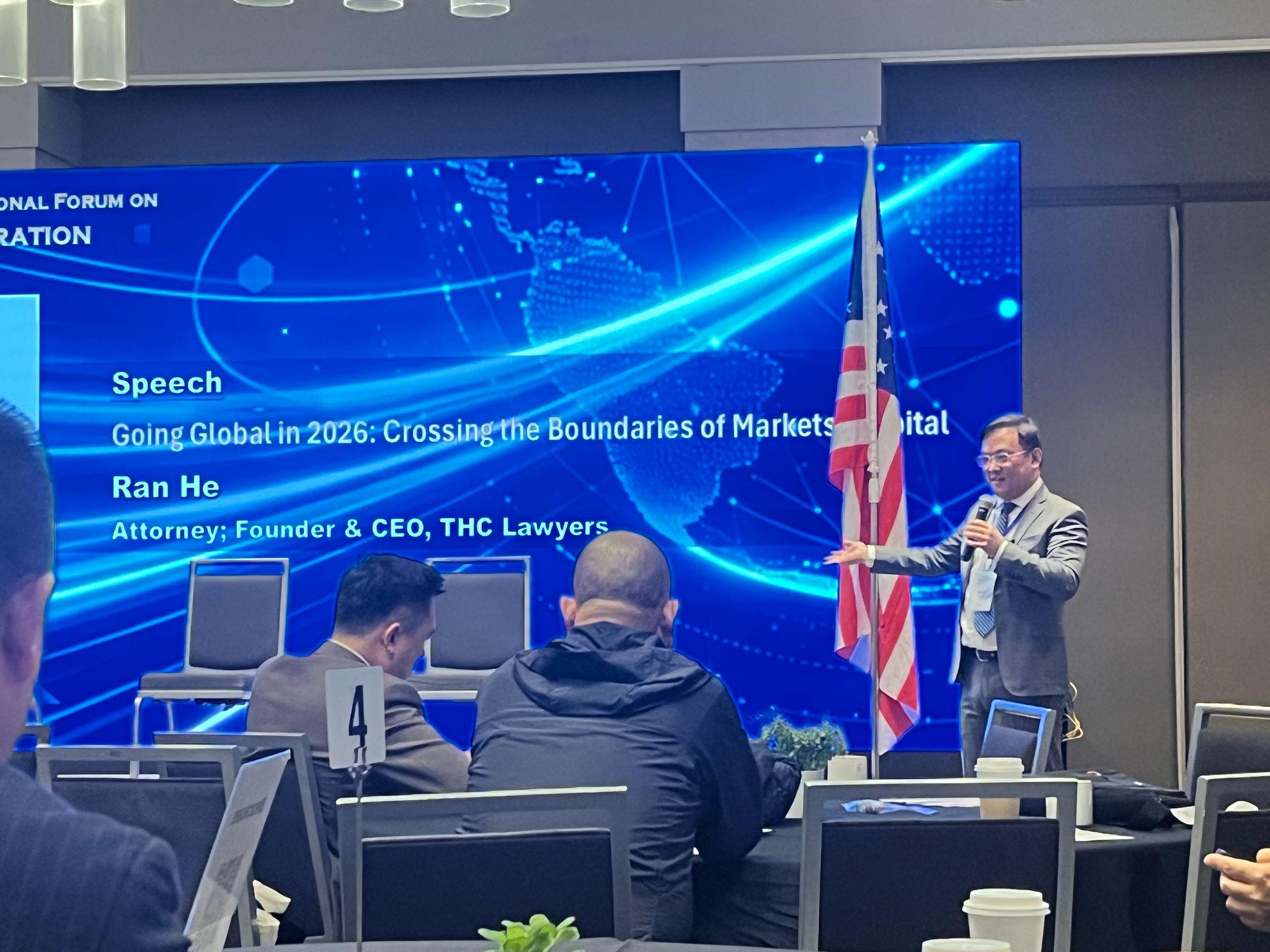
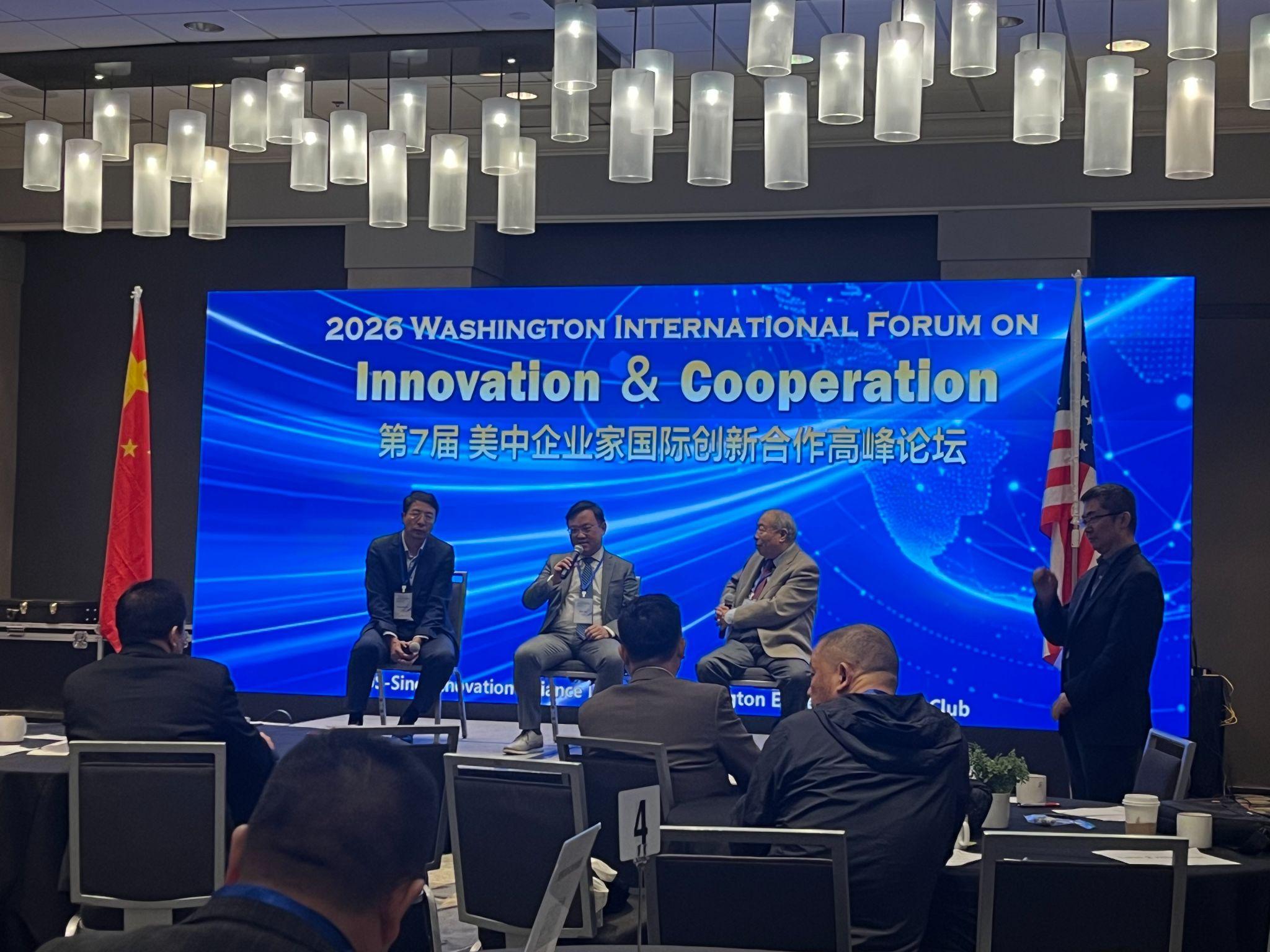
Dr. Ran He, Founder of THC Lawyers, spoke at the 2026 Washington International Forum on Innovation & Cooperation on October 24, 2026. Organized by the US-Sino Innovation Alliance (USIA), the forum took place at the Marriott Hotel in Bethesda, Maryland, with a programme covering life sciences, artificial intelligence, international business development, and cross-border capital.
Speaking in the Life Sciences & Pharmaceutical Innovation session, Dr. He addressed cross-border technology collaboration in 2026, focusing on biotechnology, AI, and robotics. His presentation examined how businesses can pursue international opportunities while accounting for the investment, trade, data, and national security requirements that may affect commercial execution.
Dr. He outlined six areas for coordinated analysis: CFIUS foreign investment screening; import restrictions and FCC product authorizations; export controls; U.S. outbound investment rules and COINS Act developments; the U.S. Data Security Program; and applicable Chinese requirements. He explained that a single transaction can engage several of these frameworks, making it important to assess the proposed investment, technology access, data flows, and product deployment together.
The presentation then considered the different pressures facing each sector. In biotechnology, Dr. He discussed investment screening, health and genomic data, and the proposed expansion of outbound investment restrictions to biotechnology. He distinguished proposed changes from rules already in force and highlighted the importance of transaction structure, including the differences between asset licensing, equity investment, and a jointly owned company.
For AI businesses, the presentation addressed the relationship between investment screening and export controls, including access to computing technology, software, and technical information. For robotics companies, it examined investment considerations alongside the emerging barriers to importing and obtaining authorization for certain foreign-produced systems. Dr. He also highlighted the Chinese side of cross-border compliance, including technology exports, outbound investment procedures, capital flows, and data transfers.
A central message was that regulatory analysis should begin before term sheets, investment commitments, intellectual property transfers, or product shipments. Dr. He encouraged businesses to plan early for approvals, financing contingencies, founder and employee access, and responsibility for compliance. The objective is a structure that supports the commercial strategy and can be financed and implemented under the relevant legal frameworks.
THC Lawyers thanks USIA and the forum organizers for the opportunity to contribute to these discussions. Drawing on Dr. He’s scientific training and legal practice, the firm brings together technology, intellectual property, and business perspectives to help clients assess cross-border opportunities. We look forward to continued dialogue with the entrepreneurs, researchers, and investors advancing innovation across markets.